Class B Motorhomes: When Electrical Systems Go Haywire
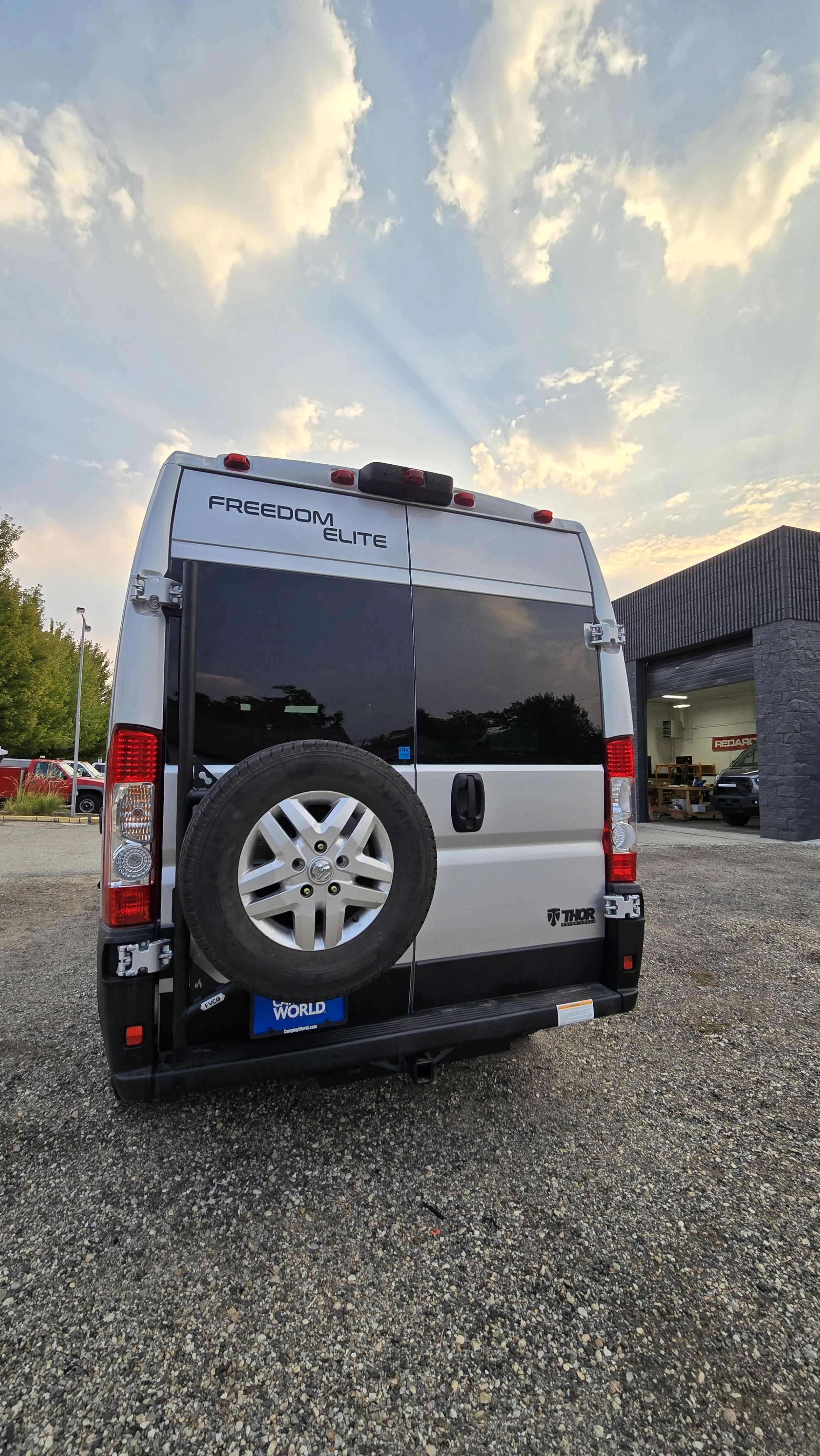
Over the past year, we’ve seen a noticeable increase in Class B motorhomes coming into our shop and the majority of them are here for the same reason: electrical system problems.
These are not 20-year-old rigs that have lived a hard life. Many are relatively new, purchased at a premium price from RV dealerships, and yet they’re already struggling to support real-world travel.
The Most Common Electrical Issues We’re Seeing
1. Undersized Battery Banks
Most Class B motorhomes we inspect are running only a few hundred amp-hours of AGM batteries. For some people, that might be fine but the consistent complaint we hear is:
“We go out for three days and run the house batteries completely flat.”
AGM batteries are less forgiving than lithium, and when paired with limited capacity, they’re easy to over-discharge. That leads to shorter battery life and ongoing power problems.
2. Inadequate Charging Systems
Many of these vans rely on BIMs (Battery Isolation Managers) to charge the house batteries from the alternator. We regularly see BIMs fail and in some cases, we’ve found them wired backwards from the factory, which causes charging issues and long-term damage.
When batteries aren’t being properly charged, everything downstream suffers.
3. Poor Wiring & Grounding Practices
One of the most concerning things we see is unsafe grounding. In some vans, we’ve found 15–20 ground wires tied into a single lug. If that one point fails, the entire electrical system goes down.
Behind the walls, we often uncover messy wiring, disorganized layouts, and components installed with little regard for serviceability or safety.
4. Cheap Materials Behind the Scenes
What you don’t see matters most. MDF used in cabinetry swells when exposed to moisture. Ultra-light plywood and flimsy framing don’t hold up to vibration and long-term use. While weight matters in vans, durability matters too and many of these builds miss that balance.
Why This Matters Before You Buy
Class B motorhomes can be a great option but buyers need to be realistic. Just because a van looks polished on the showroom floor doesn’t mean it’s built to last or designed for extended off-grid use.
We strongly recommend:
Having the electrical system inspected before purchase
Understanding realistic power limitations
Planning for upgrades if you want to travel longer or more comfortably
Already Own One?
If your outlets don’t work consistently, batteries die too fast, or systems feel unreliable, it’s worth getting a diagnostic done. Catching issues early can prevent costly failures later and help make your van safer and more enjoyable to use.
At the end of the day, your van should support your adventures , not cut them short.
Need support? Contact us today!