Installing GoCode Blob Covers on a Mid-Roof Ford Transit VAn
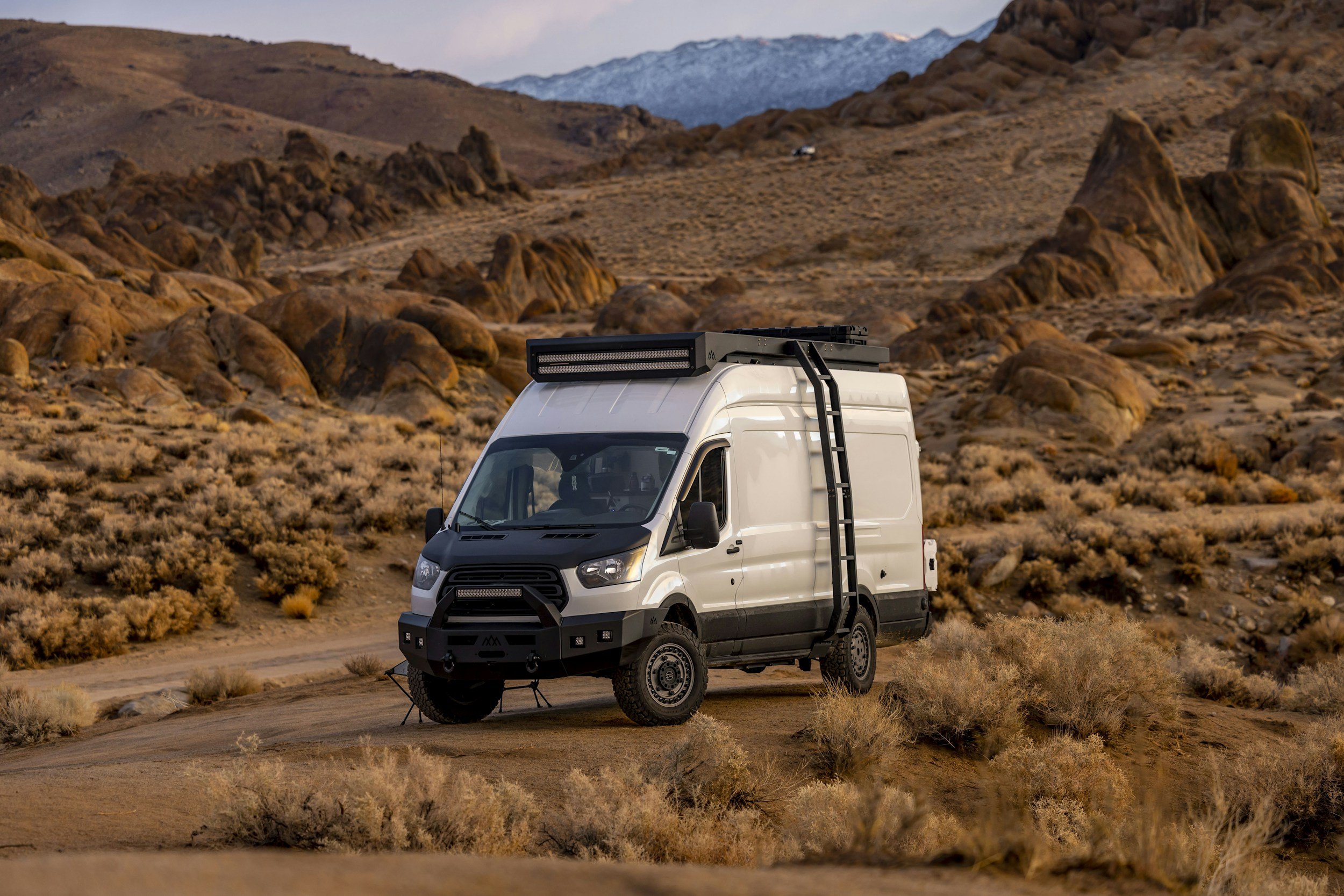
When building out a Ford Transit van, small details in the roof and ceiling transitions can make a big difference in how clean and professional the final interior looks.
In this post we’re walking through how we installed GoCode blob covers on a mid-roof Ford Transit, along with the AVG Rig wall-to-ceiling angle that helps create a smooth roofline transition.
This approach keeps the installation simple while delivering clean interior lines.
Starting With the AVG Rig Wall-to-Ceiling Angle
The first component we installed was the AVG Rig wall-to-ceiling angle.
It’s a simple piece of hardware, but it serves an important purpose in the build. The angle creates a smooth transition between the wall panels and the ceiling while also helping maintain clean interior lines throughout the van.
One of the biggest advantages is that it allows us to complete the installation without rerouting the factory wiring harness, which saves time and reduces complexity during the build.
When installed according to AVG Rig’s instructions, the angle creates a clean framework for the rest of the ceiling components, including the GoCode blob covers.
Mounting the GoCode Blob Covers
To securely install the blob covers, we first created small mounting blocks.
These blocks were made from ¾-inch plywood, sprayed black, and then bonded directly to the sheet metal ceiling using Sikaflex adhesive.
This method creates a strong attachment point that allows the blob covers to be securely screwed into place. Without these mounting points, fastening the covers directly to the sheet metal would be much more difficult.
The plywood blocks act as hidden anchors while maintaining a clean final appearance once the ceiling panels are installed.
Handling the Ceiling Transition
Another small detail appears where the ceiling panel meets the headliner and the roof rib.
Because the ceiling panel sits in that space, a small portion of the factory foam block could potentially remain visible.
The solution is simple: wrap the edge of your ceiling material so that the exposed area blends in with the surrounding surfaces.
It won’t be completely seamless, but in practice it looks great and someone would really have to look closely to notice the transition.
Why These Details Matter
Van builds are full of decisions that affect both appearance and functionality. Small installation choices, like using mounting blocks, selecting the right trim angles, or planning ceiling transitions can make a huge difference in the finished product.
Using components like the GoCode blob covers and AVG Rig wall-to-ceiling angle helps simplify the build process while maintaining a clean, professional interior.
And as with most van build details, the key is planning these elements early so everything works together as the build progresses.
If you have questions about installing these components or planning your own Ford Transit van build, feel free to reach out. We’re always happy to help fellow builders get their projects dialed in.