3 Reasons DIY Van Builders End Up Unhappy With Their Build
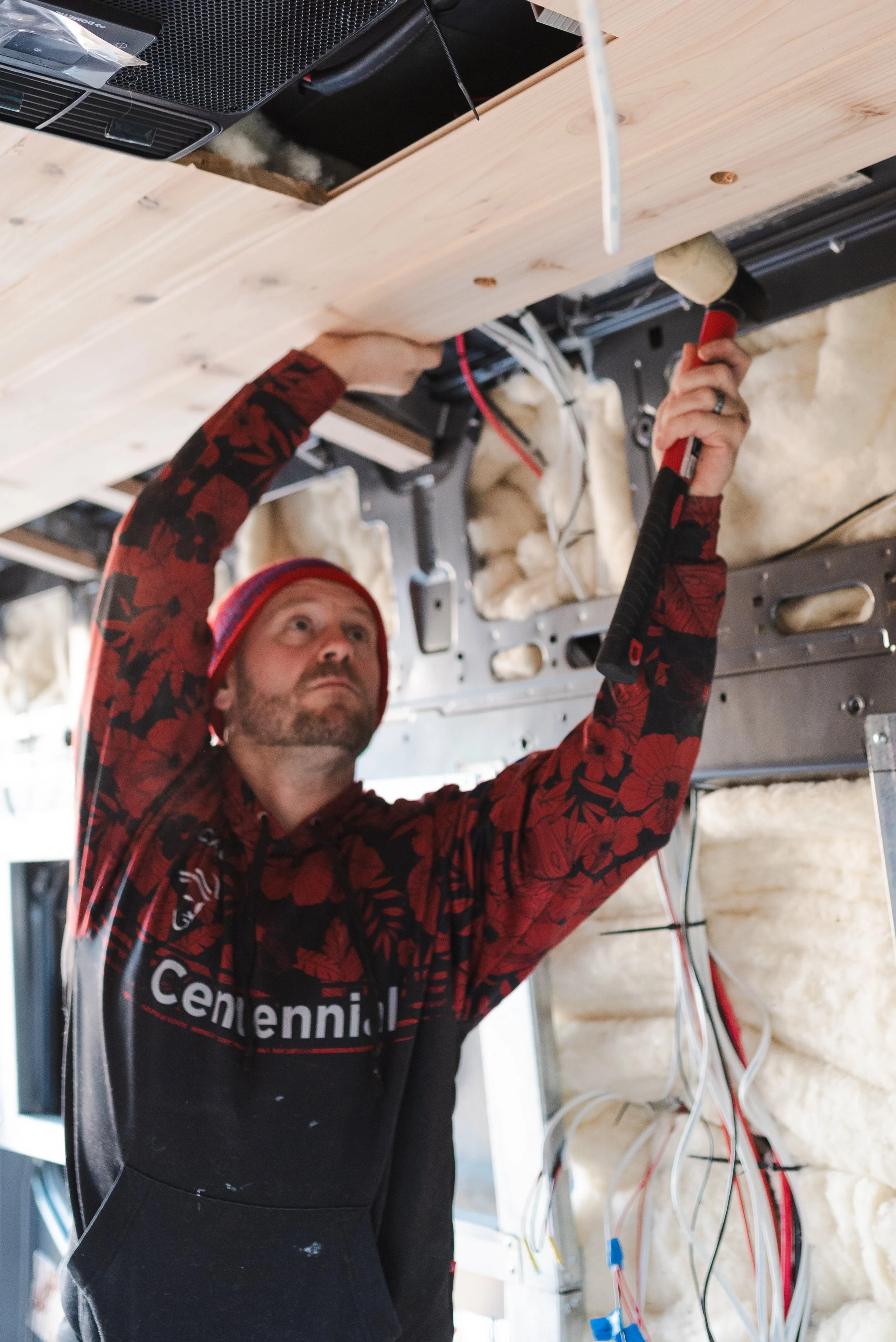
We love DIY van builds. Truly.
There’s something powerful about creating a space with your own hands and designing a van that supports your version of freedom and adventure.
That said… after years of working with van owners and repairing, upgrading, or troubleshooting DIY builds, we see the same pain points show up again and again. Most unhappy DIY builders didn’t fail because they weren’t capable or motivated. They ended up frustrated because they didn’t have the right plan from the start.
Here are the three biggest reasons DIY van builders end up unhappy with their build, plus one bonus mistake we talk about a lot.
1. The Layout Was Based on Someone Else’s Life
One of the most common mistakes DIY builders make is designing their layout around what worked for someone else.
You watched the YouTube tour.
You saved the Instagram post.
You copied the floor plan.
And it looked perfect… until you started living in it.
What works beautifully for a solo traveler in Southern California may feel cramped, inefficient, or impractical for:
Full-time living
Cold weather travel
Working remotely
Traveling with a partner, kids, or pets
Small layout decisions compound quickly in a van. Where you store gear, how you access your bed, where you cook, how you move through the space, all of it matters more when you’re living in 60–80 square feet.
A layout should be built around your daily habits, climate, and travel style, not someone else’s highlight reel.
2. The True Cost Wasn’t Factored In
Most DIY budgets start with good intentions… and then reality hits.
Builders often budget for:
Solar
Batteries
Fridge
Lumber
Appliances
But the costs that blow budgets aren’t always the big-ticket items. It’s the dozens of “small” things that add up:
Wiring, fuses, breakers, connectors
Fasteners, adhesives, sealants
Tools you didn’t realize you’d need
Replacement materials when something has to be redone
We regularly see DIY builders spend far more than they originally planned, or worse, run out of money before the build is finished. At that point, you’re left with a partially completed van that’s stressful instead of freeing.
A realistic budget doesn’t kill the dream. It protects it.
3. The Build Couldn’t Be Finished Because Funds Ran Out
This one hurts the most.
We’ve worked with many van owners who had the skills and motivation to finish their build, but simply ran out of money halfway through. That often leads to:
Unsafe or temporary electrical setups
Skipping critical systems like heating or ventilation
Living with “we’ll fix it later” solutions that never get fixed
A van build isn’t just about getting it mostly done. Systems like electrical, heating, and plumbing need to be completed correctly to be safe, reliable, and enjoyable.
Running out of funds doesn’t mean you failed, it means the project needed better upfront planning and prioritization.
Bonus: “Saving Money” on No-Name Components
This is one we talk about a lot, because we see the consequences constantly.
In an effort to save money, many DIY builders buy no-name electrical components online. On paper, it looks like a win:
Lower upfront cost
Similar specs
Lots of reviews
But within the first year, we often see:
Failed batteries
Inverters that can’t handle real-world loads
Wiring and fuse issues
Components that overheat or shut down
When those parts fail, the cost isn’t just replacing them, it’s ripping out finished work, troubleshooting problems, and sometimes fixing damage caused by the failure itself.
What looked like savings up front ends up costing far more in the long run.
The Common Thread? Skipping the Planning Phase
Every one of these issues ties back to the same thing:
not spending enough time planning before building.
Planning doesn’t mean overthinking every detail, it means:
Designing a layout around how you live
Building a realistic budget that includes the hidden costs
Choosing components that are proven, reliable, and appropriate for your needs
Knowing where to invest and where you can simplify
Whether you plan to DIY your entire build or mix DIY with professional support, getting expert guidance early can save you thousands of dollars, months of frustration, and a lot of rework.
If you’re planning a DIY build and want to avoid becoming another “we’ll fix it later” story, we’re happy to help you think through your layout, systems, and budget before you start.
Sometimes one conversation is all it takes to make the difference between a van you love… and one you regret.
Need support? Contact us today!